Dress, days and bags: the rules of a Vatican morning
Most spoiled Vatican mornings go wrong before breakfast: bare shoulders, the wrong day, a bag too big for the scanner. Ten minutes with this list the night before saves the queue twice.
The rules are checked at the security line and again at the doors; getting them wrong means rejoining a queue that may have grown long.
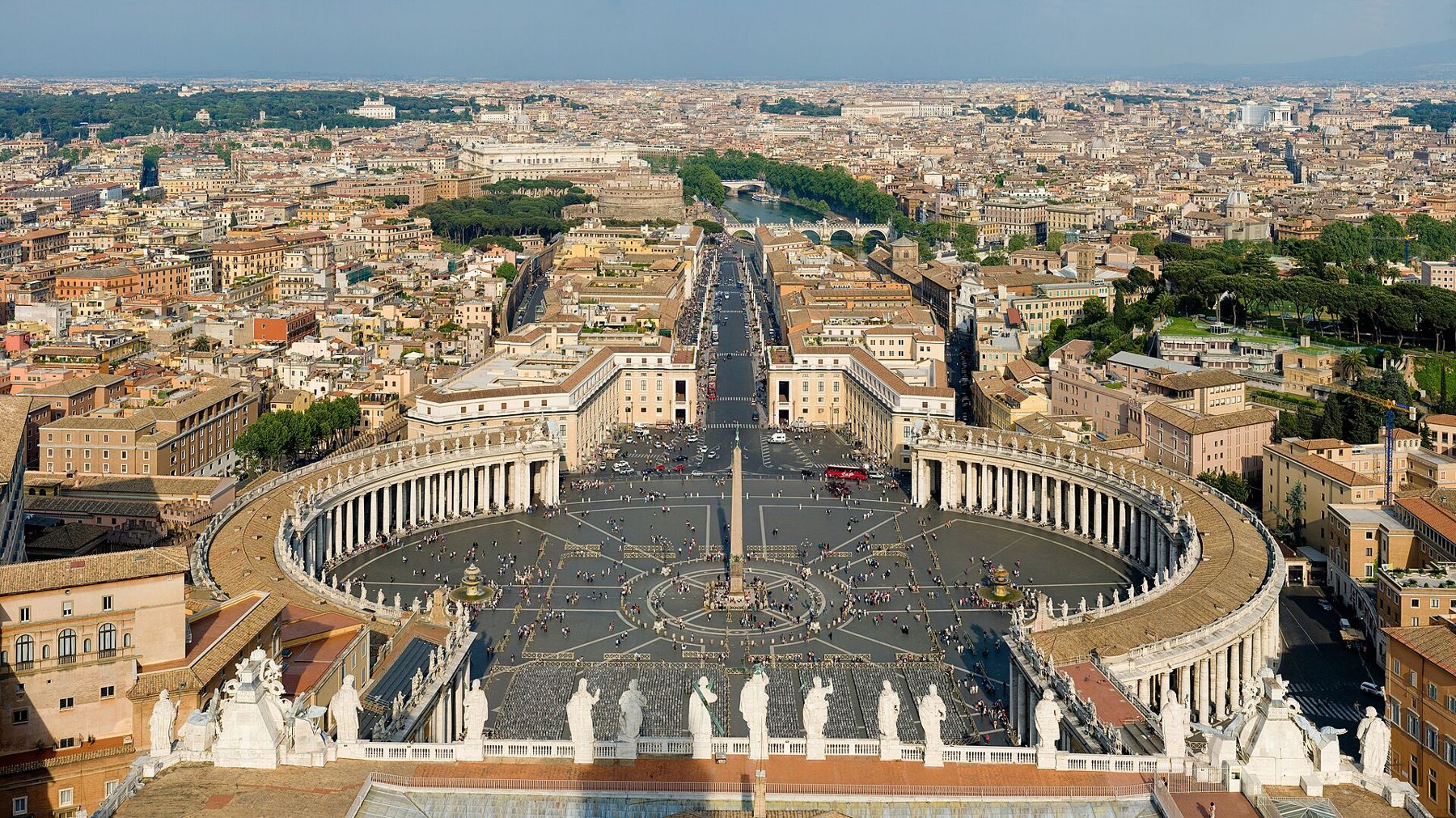 06:30
The Vatican is a working religious centre and a small state with its own rules, and those rules are applied at the door, not argued about. None of them is complicated. But a visitor in shorts, on a Sunday, with a large backpack, can fail three ways before reaching the first ticket desk. This page sets out what to wear, which days change the plan and what security will turn away. Details change, sometimes at short notice, so check the official sites the evening before.
Clothes for the doorway
For St Peter's Basilica, the Vatican Museums (which include the Sistine Chapel, itself a consecrated chapel), the grottoes and the excavations under the basilica, the rule is the same for everyone: shoulders and knees covered. That means no sleeveless tops or vests, no shorts or skirts above the knee, and nothing very low-cut. It applies to men as much as to women, and to children old enough to be noticed.
In practice, the check at the basilica is visual and quick. Staff at the steps look at each person and wave through anyone who is covered. If you are turned back, you will have to leave and come back properly dressed, and the queue will not have waited for you.
In summer, when Rome is hot by nine in the morning, the simplest answer is light trousers or a long skirt, and a thin scarf or shirt that goes over the shoulders at the door and comes off again outside. A scarf tied as a skirt over shorts sometimes passes and sometimes does not; do not rely on it. Take hats off inside the basilica and in the chapels. Comfortable shoes matter more than anything else: you will stand and walk on marble for hours.
The days that change the plan
The Museums usually close on Sundays. The exception is one Sunday a month, traditionally the last, when entry is free for a few hours in the morning. It sounds like a bargain, and for some people it is, but the queue starts long before opening and the galleries are as crowded as they get. If you have only one chance to see the Sistine Chapel, a paid weekday is the better choice.
The Museums also close on a number of religious holidays through the year, some of them dates visitors would not expect, and the basilica may close or open late for major ceremonies. Christmas, Easter, the feast of Saints Peter and Paul at the end of June, and the days around big papal celebrations all need checking. The calendar is published in advance on the official sites; look at it before you fix your dates.
Mondays and Saturdays tend to be the busiest days at the Museums, and Tuesdays and Thursdays a little calmer, but that is a tendency, not a rule. Any day in the weeks around Easter and in high summer will be crowded.
07:00Another hourSt Peter's while the square is still emptyWednesdays and Sundays in the square
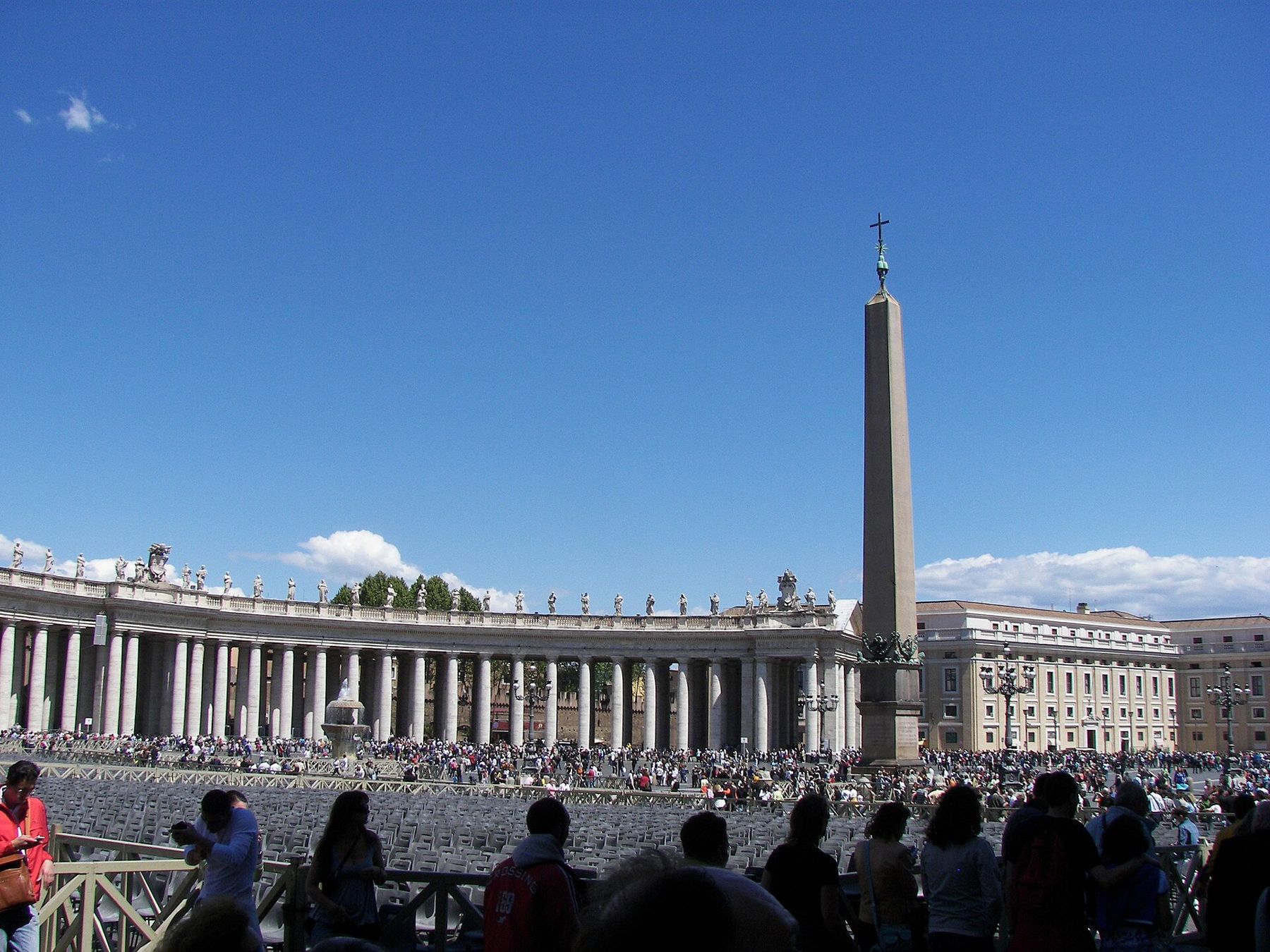
On most Wednesday mornings when the Pope is in Rome, there is a general audience: an address and blessing in St Peter's Square, or in the audience hall beside it in colder months. Tickets are free and are requested in advance through the official channels; never pay anyone for them. If you plan to attend, arrive early, expect a long security line and dress as you would for church.
If you do not plan to attend, know that the audience affects everyone else. The square fills with chairs and barriers, and access to the basilica can be limited or delayed until it ends. Wednesday morning is therefore a good time for the Museums and a poor time for the basilica.
On Sundays at noon, when the Pope is in Rome, he usually leads the Angelus prayer from a window of the Apostolic Palace overlooking the square. It is short, free and open to anyone who turns up; the square is busy but not overwhelming.
Wednesday morning is therefore a good time for the Museums and a poor time for the basilica.
Bags, scanners and what stays outside
Everyone entering the basilica or the Museums goes through airport-style security: bags through a scanner, people through a metal detector. Travel light. Large backpacks, suitcases and bulky bags are not allowed in, and while the Museums have a cloakroom, the basilica does not offer the same, so leave luggage elsewhere.
Knives of any size, scissors, tools and anything that could be used as a weapon will be refused. Glass bottles, tripods and selfie sticks are commonly refused or must be left at the cloakroom, and umbrellas may have to be checked at the Museums. Food is not allowed inside the Museums; a small bottle of water usually is.
Carry an identity document, or at least a copy. It is rarely asked for at the basilica, but you will need it for some reserved visits, and if you have booked a timed entry or a reduced ticket, have the confirmation and any proof of eligibility ready.
Behaviour inside
The basilica and the chapels are places of worship first. Masses go on at side altars throughout the morning; walk round them, keep your voice low and do not photograph people at prayer. Photography for personal use is allowed in most of the basilica and most of the Museums, but not in the Sistine Chapel, where the guards ask for silence and no photos; see our page on standing under the Sistine ceiling.
Flash is discouraged nearly everywhere. Drones are forbidden over the whole area. Picnics on the basilica steps or on monuments are frowned on; eat before you arrive or after you leave.
A checklist for the night before
- Clothes that cover shoulders and knees, and a scarf in your bag.
- The smallest bag you can manage, with no knives, glass or tripods.
- Your entry confirmation, if you have one, and an identity document.
- Today's opening hours and any closures, checked on the official site.
- For a Wednesday, a plan that puts the Museums first and the basilica after midday.
Then set the alarm. For the best start, read our notes on getting to the Vatican side by metro, tram or on foot.
The photographs on this walk are credited by name and licence in I fotografi. The other walks are on the list of hours.
Later the same day
- Getting to the Vatican side: metro, tram and on foot
- St Peter's while the square is still empty
- Across the river: the Aventine keyhole at opening time
- Up the dome of St Peter's, step by step
- The Museums, in an order that keeps you sane
- Under the floor: the grottoes and the necropolis
- Mercato Trionfale, the market by the Vatican wall
- Standing under the Sistine ceiling
- Prati at lunchtime: wide streets, cool churches