Up the Gianicolo for the last light
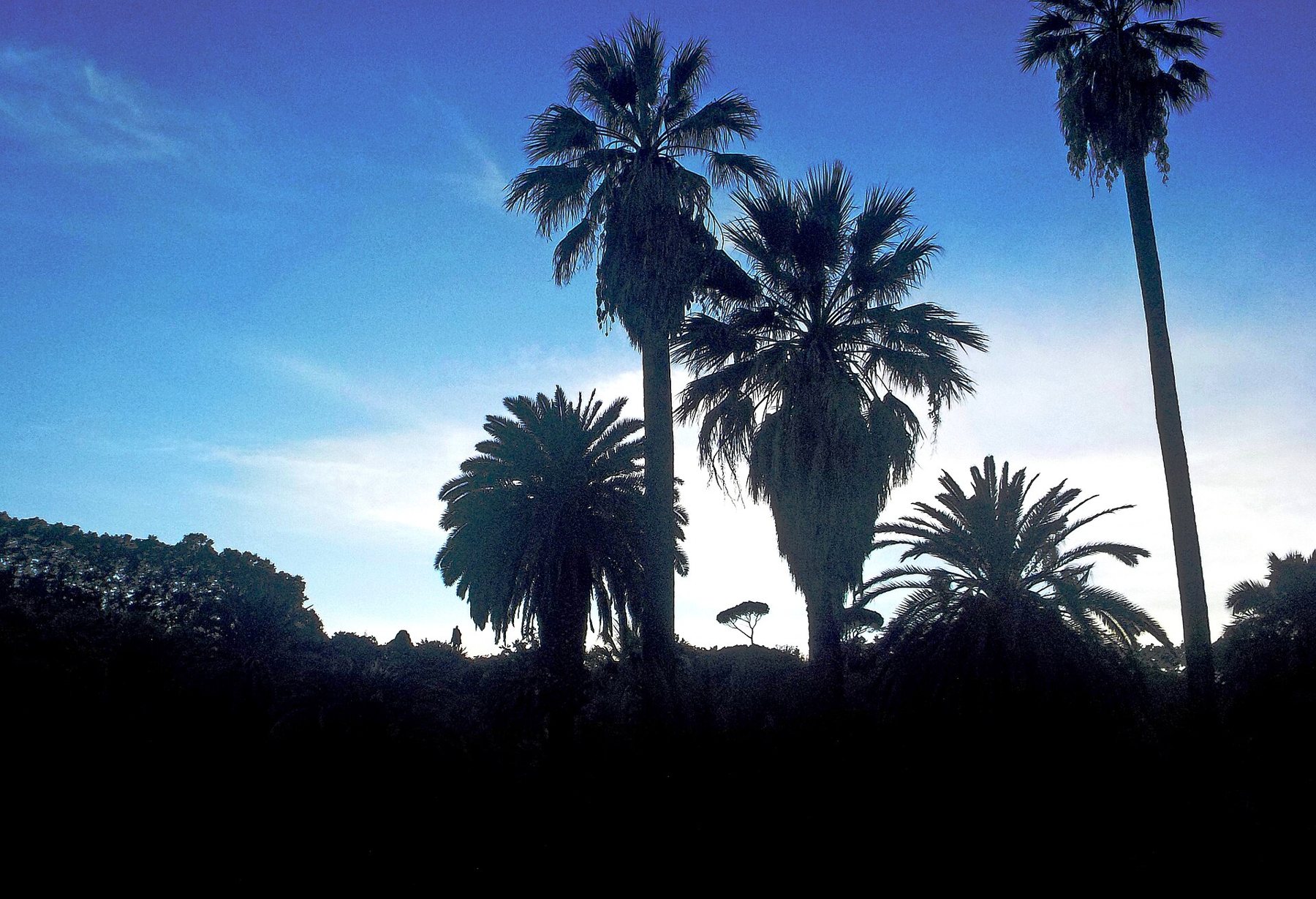
The Janiculum faces east, so at sunset the sun drops behind you and lights the whole city in front: domes, bell towers and roofs turning gold while the ridge itself goes cool.
No tickets and no queues, but the railing at Piazzale Garibaldi gets crowded at sunset; arrive twenty minutes early for a place.
 18:30
Rome has seven famous hills and the Janiculum is not one of them. It lies across the Tiber, outside the old city, a long ridge running north to south between the Vatican and Trastevere. Romans call it the Gianicolo. What it has that the seven do not is height and direction: it rises higher than any of the seven, and it looks east, straight across the river at everything. At sunset the light comes from behind you and falls on the whole of Rome at once.
The walk up takes thirty to forty minutes from Piazza di Santa Maria in Trastevere, steep in places, and the walk along the top and down to the Vatican another hour. Set off around half past six in spring and autumn, earlier in winter, later in high summer; check the sunset time for your date and aim to be at the top half an hour before it.
The climb from Via Garibaldi
From the lanes of Trastevere, find Via Garibaldi, which leaves the district at its western edge and starts to climb in long bends. Cars use the road; you can take a shortcut. Where the road makes its first big turn, a stepped lane goes straight up the slope, lined with the stations of the cross in small stone shrines. It is steep, shady and usually empty, and it brings you out on the terrace in front of San Pietro in Montorio.
Stop and turn round. This terrace is the first of the views, lower than the one at the top but closer, so that you can pick out individual roofs, terraces and church fronts in Trastevere just below. The light is already turning warm on the city while you stand in shadow.
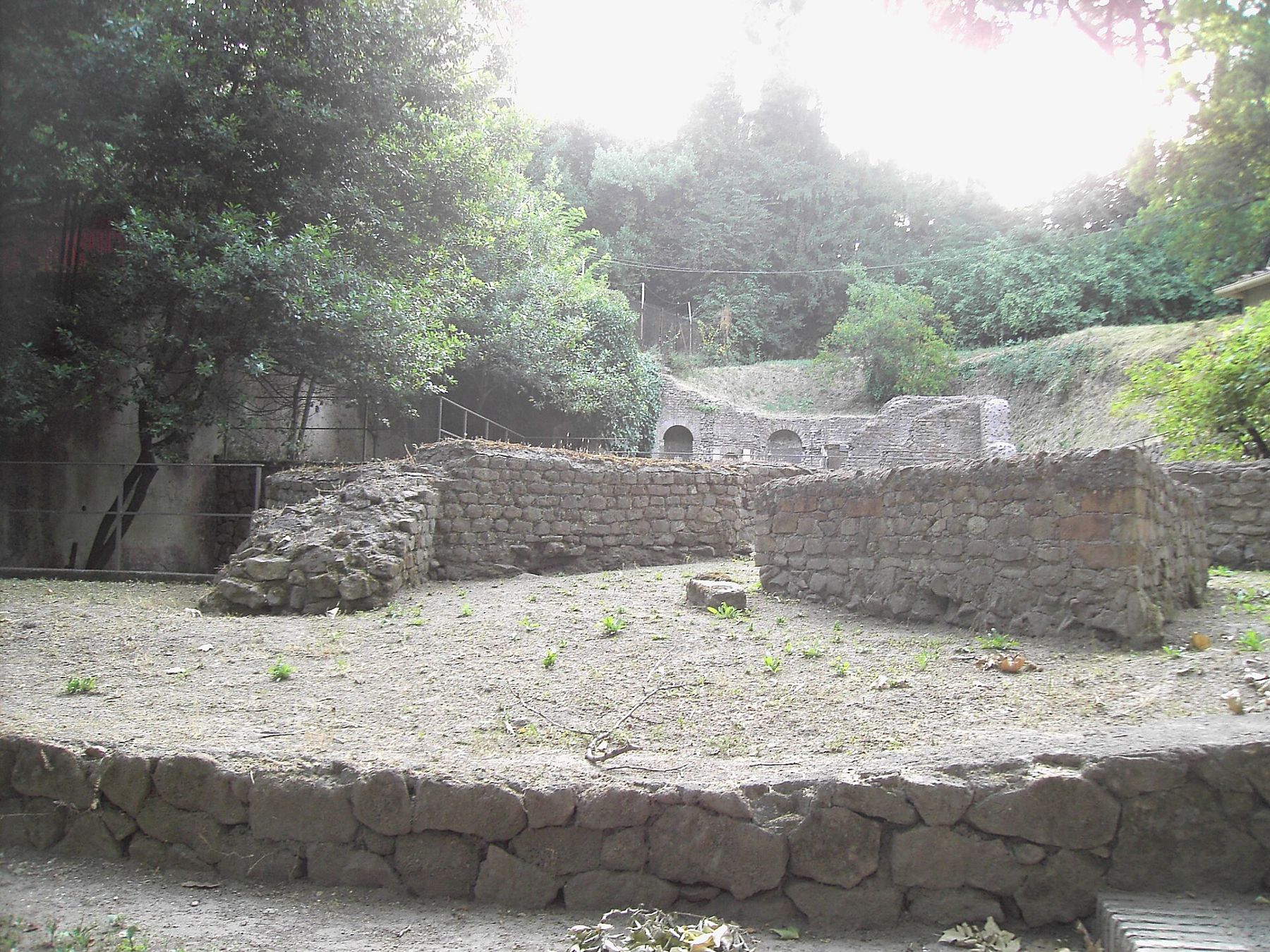
Lower down the hill, in the Monteverde quarter off Via Dandolo, a small fenced garden holds the low stone walls of an ancient sanctuary, a reminder that this slope was busy long before the churches. It is usually seen only through the railings and is well off this route, but if you are staying on that side of the hill it is worth the short detour by day.
Bramante's small round temple
San Pietro in Montorio was built at the end of the fifteenth century on a spot long believed to be where St Peter was crucified. The church is simple and often closes early in the evening, but the reason most people come is next door. Through a doorway to the right of the church is a courtyard, and in the middle of the courtyard stands the Tempietto, a little round temple designed by Donato Bramante in the first years of the sixteenth century.
It is tiny, no wider than a room, ringed by sixteen columns and topped with a dome. It is also one of the most influential buildings of the Renaissance, a classical temple worked out in the round with a calm that architects copied for centuries, and Bramante went on to design the new St Peter's. The courtyard keeps shorter hours than the hill, so if the gate is closed by the time you arrive, look through it, or come back one morning.
The great fountain of the Acqua Paola
Back on Via Garibaldi, climb on for a few minutes and the road opens into a wide terrace in front of the Fontana dell'Acqua Paola, known to Romans as il Fontanone, the big fountain. It looks like a triumphal arch or a church front: five arches between granite columns, water pouring from the arches into a long basin, and above it all a huge marble panel of Latin.
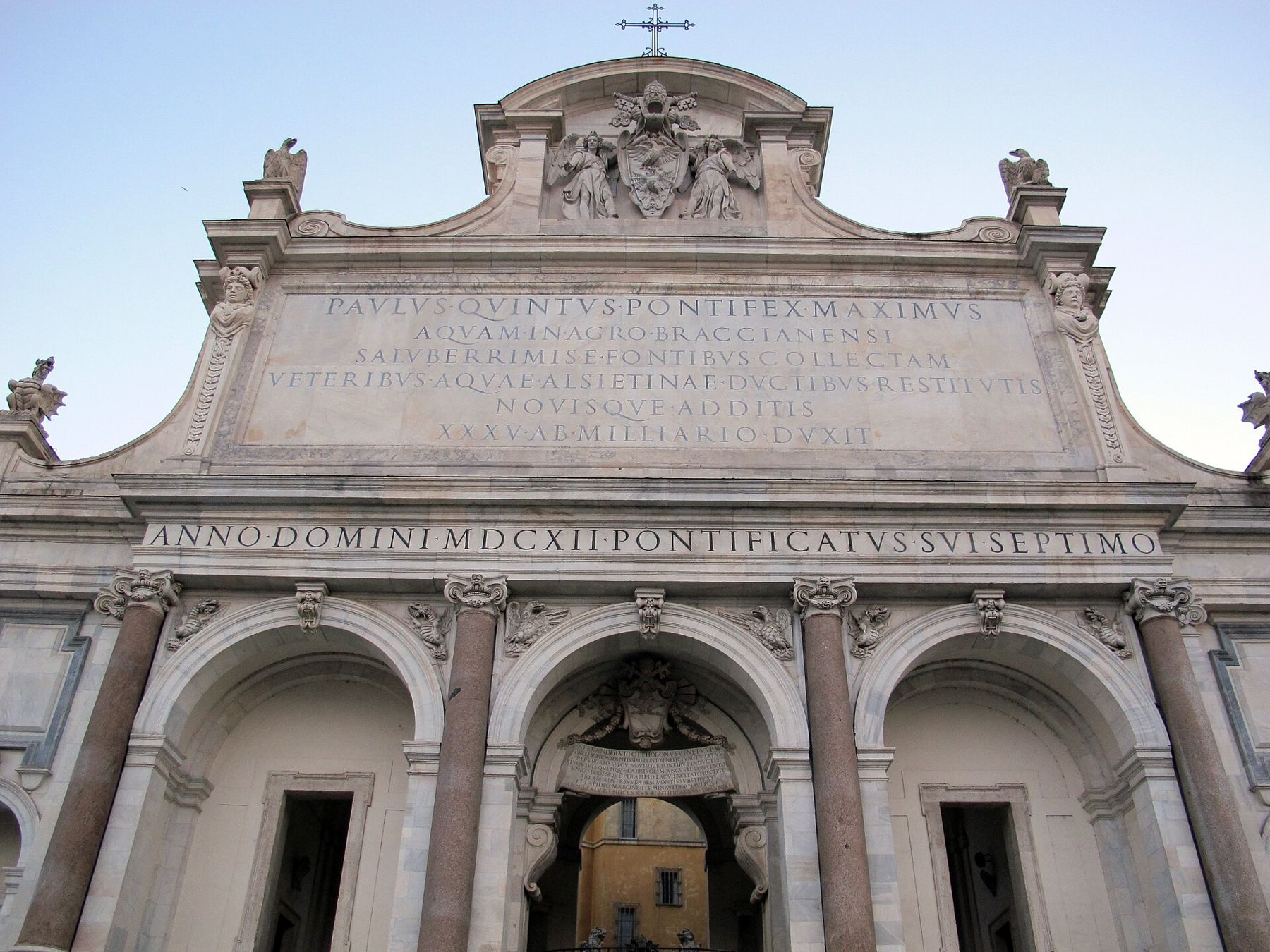
The inscription is worth puzzling out. It says that Pope Paul V brought the water here from springs in the Bracciano countryside, restoring ancient aqueducts and adding new ones, in the year 1612, the seventh of his reign. The fountain was the show end of that aqueduct, the point where the water arrived in the city and announced itself. The terrace in front, with the balustrade looking back over Rome, is a good place to catch your breath.
17:30Another hourDown the Lungara into Trastevere for the mosaicsFurther up, the road passes the Ossario Garibaldino, a memorial holding the remains of those who died fighting for Rome in the 1840s and 1860s, and reaches Porta San Pancrazio, the gate where the defenders of the short-lived Roman Republic held out against a French army in 1849. The whole ridge is a memorial to that summer, and once you know it you see it everywhere.
Along the ridge to Piazzale Garibaldi
Turn right just before the gate onto the Passeggiata del Gianicolo, the avenue that runs north along the top of the ridge through a long park. It is lined with marble busts of the men who fought with Giuseppe Garibaldi, each on its own pedestal under the pines; walking past them in the evening is like reviewing a quiet regiment.
The avenue brings you to Piazzale Giuseppe Garibaldi, a broad open space with the general himself on horseback in the middle, looking out over the city. This is the place. Go to the balustrade on the east side and the whole of Rome is laid out in front of you, from the Quirinal and the white bulk of the Vittoriano to the domes of the centre, with the Alban Hills on the horizon if the air is clear.
At sunset the light comes from behind you and falls on the whole of Rome at once.
Below the terrace a cannon is fired every day at noon, a custom that lets the city set its clocks. At this hour you have missed it, but you may well have heard it earlier from the Vatican side. A short way north, Anita Garibaldi, Giuseppe's Brazilian-born wife and comrade, has her own equestrian monument, riding at a gallop with a pistol in one hand and her baby in the other arm.
Down to the dome
As the light goes, keep walking north along the ridge. The avenue passes a small white lighthouse, a gift to Rome from Italians living in Argentina, and then the view swings round. Ahead of you now is St Peter's, its dome dark against the last of the sky, closer than you have seen it all evening. Stand here as the floodlights come on.
The road then winds down past the church of Sant'Onofrio, where the poet Torquato Tasso spent his last days, and drops to the riverside close to the Borgo. From there it is ten minutes to St Peter's Square, lit and almost empty, or a little further to the castle by the river and the bridge of Bernini's angels at its brightest.
The Gianicolo has a counterpart across the river. From the Orange Garden on the Aventine and its keyhole, early in the morning, you look back across the water at this same ridge in full sun, and the two views make a good pair.
The photographs on this walk are credited by name and licence in I fotografi. The other walks are on the list of hours.
Later the same day
- Ponte Sant'Angelo after dark
- Dress, days and bags: the rules of a Vatican morning
- Getting to the Vatican side: metro, tram and on foot
- St Peter's while the square is still empty
- Across the river: the Aventine keyhole at opening time
- Up the dome of St Peter's, step by step
- The Museums, in an order that keeps you sane
- Under the floor: the grottoes and the necropolis
- Mercato Trionfale, the market by the Vatican wall